Perennial General Hospital Chengdu is situated in the core area of the Chengdu East Railway Station Perennial Health City. The first phase of the hospital, constructed to the standards of a secondary general hospital, encompasses approximately 40,000 square meters of floor space and is designed to accommodate over 200 beds.
Leveraging the healthcare ecosystem of the Health City, the hospital has established a full-cycle precision medical platform. With interventional oncology and radionuclide therapy as its signature specialties, the hospital continuously strengthens its comprehensive disciplines. It integrates screening, diagnosis, minimally invasive treatment, advanced surgery, post-operative rehabilitation, and long-term follow-up into a seamless continuum of care, enabling multidisciplinary collaborative treatment for a wide range of conditions.
Supported by a "five-in-one" one-stop diversified service model—encompassing personalized services, international medical services, integration of health and business travel, one-stop comprehensive care, and a multi-payment system—the hospital is aligned with cross-border medical needs. It provides patients with full-process, high-quality care and aims to build an internationally oriented medical complex driven by technological innovation and industrial integration.


To implement the Healthy China strategy and advance the national key brain science initiative, the "Tianjin Medical University International Cooperation and Medical Education Innovation Forum – 2026 Critical Care Rehabilitation Neuromodulation and Education Conference" was held in Tianjin on May 22

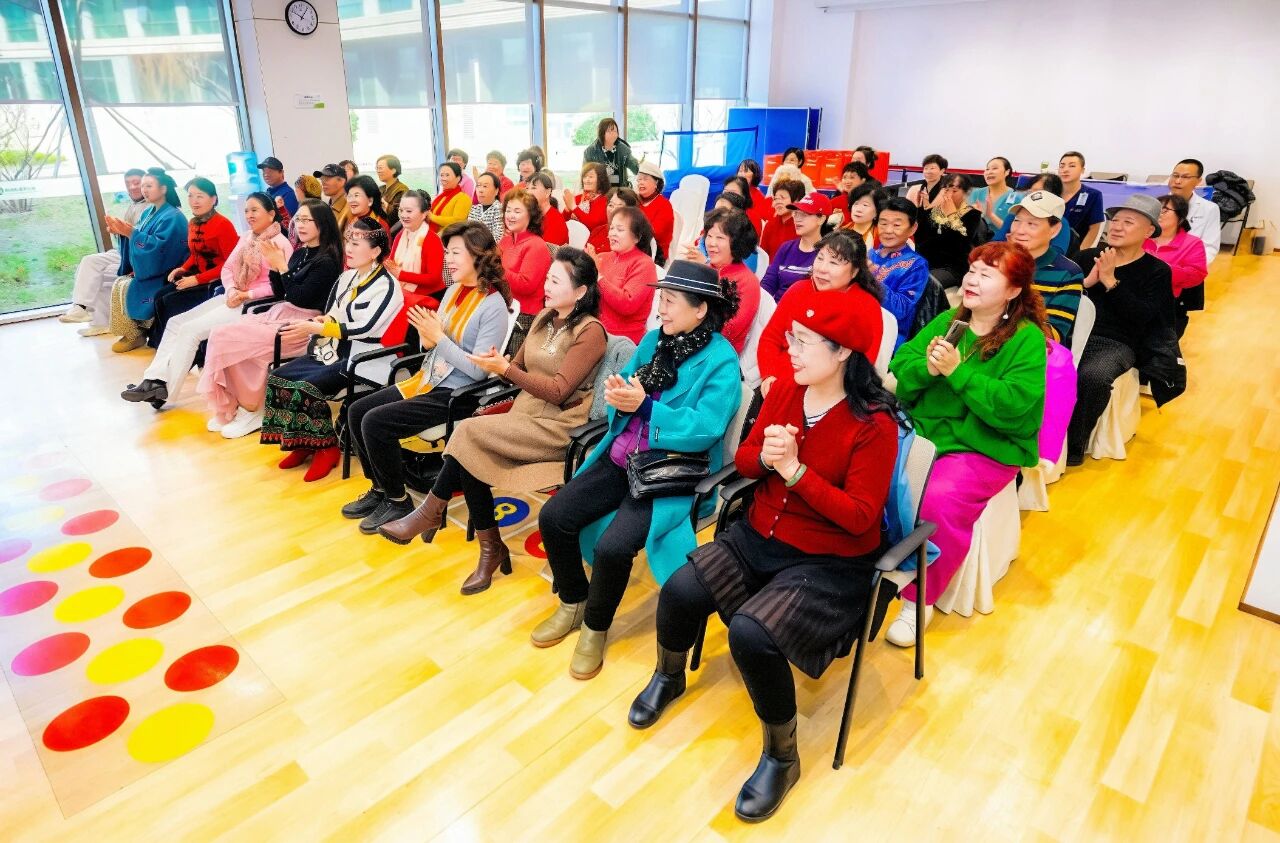
The International Rehabilitation Diagnosis and Treatment Sub-Forum, organized by Perennial Rehabilitation Hospital Tianjin, was held on the afternoon of May 23 at the multi-function hall on the second floor of the Perennial Senior Wellness Community Tianjin. Domestic and international rehabilitation medicine experts, clinical specialists, and industry representatives engaged in in-depth discussions on cutting-edge topics including regenerative rehabilitation, geriatric bone disease rehabilitation, precision neuromodulation, and respiratory rehabilitation.

At the outset of the conference, Liu Jiqiang, Deputy Director of Perennial Healthcare City Tianjin and Dean of Perennial Rehabilitation Hospital Tianjin, delivered a welcoming speech in his capacity as Chairman of the sub-forum, extending a warm welcome to all participating experts and rehabilitation professionals. He introduced that Perennial Holdings, headquartered in Singapore, has a business portfolio covering healthcare and real estate development, with over 29,000 medical and elderly care beds deployed across 17 cities in China and in Singapore. As the first integrated international health service complex integrating "medical care, rehabilitation, elderly care, nursing, and cultural tourism" built by the Group in China, Tianjin Perennial Health City upholds the philosophy of "international standards with local care" and integrates high-quality medical resources from both domestic and international sources.

Currently, Perennial Healthcare City Tianjin has established an integrated rehabilitation service platform that spans from early intensive care intervention to senior wellness community integration, and from physical functional rehabilitation to psychosocial support. The successful hosting of this sub-forum not only validates its existing practices but also serves as a testament to the collaborative innovation of "medical care, education, research, industry, and application."
During the conference:
Professor Bi Sheng, former Director of the Rehabilitation Medicine Center of the PLA General Hospital, systematically elaborated on the future direction of regenerative rehabilitation—highlighting that rehabilitation medicine is transitioning from functional compensation to a new era of tissue repair.
Professor Xie Rong from the Xinjiang Uygur Autonomous Region People's Hospital presented the clinical outcomes of precision magnetic stimulation technology in stroke rehabilitation.
Dr. Zhou Jingshu, Director of the Neuromodulation Therapy Unit at the First Affiliated Hospital of Zhengzhou University, provided an in-depth analysis of the integration pathways between electrophysiological monitoring and neuromodulation techniques.
Dr. Wang Qiu from Tianjin Medical University General Hospital analyzed the synergistic application of pulmonary infection clearance techniques and bronchoscopic diagnosis and treatment
The sub-forum also featured a dedicated exchange session to facilitate the direct translation of academic findings into clinical applications. The medical team of Perennial Rehabilitation Hospital Tianjin engaged in in-depth discussions with experts on how cutting-edge technologies such as neuromodulation and electrophysiological monitoring can be rapidly integrated into daily rehabilitation and care systems, thereby building a practical platform for technology implementation.
The successful hosting of this sub-forum has further demonstrated the platform value and industry influence of Perennial Rehabilitation Hospital Tianjin in the field of critical care rehabilitation and neuromodulation. From high-standard venue support to full-process conference organization, and from academic presentations to thematic exchanges, Perennial Rehabilitation Hospital Tianjin not only provided a high-level academic exchange space but also built a substantive platform for medical-enterprise collaboration and industry-education integration. This is a practical embodiment of the conference theme – "Neuromodulation, Sustaining Critical Care" – leveraging the medical and senior care complex as a cornerstone to inject sustained momentum into the high-quality development of rehabilitation medicine.
Looking ahead, Perennial Rehabilitation Hospital Tianjin will continue to collaborate with Tianjin Medical University, Tianjin Medical University General Hospital, and other domestic and international rehabilitation medical institutions to deepen synergies in technical standards, talent development, and multi-center research. The hospital is committed to accelerating the translation of academic outcomes into clinical services and contributing to the advancement of rehabilitation medicine in the Beijing-Tianjin-Hebei region to a higher level.