
Many people inexplicably develop small lumps under their skin that feel soft, are neither painful nor itchy, and can slightly move when pushed. After going to the hospital for a check-up, most are diagnosed with a lipoma. Many people are puzzled: what exactly is a lipoma? Can it become cancerous? Does it need to be surgically removed? Are the methods circulating online, such as massaging or taking medicine to eliminate lipomas, reliable? This article explains all the essential knowledge about lipomas in plain and straightforward language.
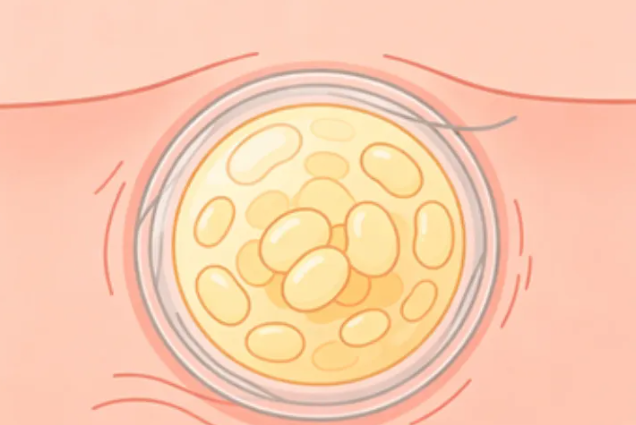
1. What is a lipoma? It is essentially a mass of benign fat.
A lipoma is the most common benign soft tissue tumor in clinical practice. Simply put, it is an abnormal accumulation and proliferation of mature fat cells under the skin, forming a lump of excess fatty tissue. It is not a malignant tumor, nor is it a buildup of toxins.
Typical characteristics of lipomas, which can help you identify them yourself, include:
- Soft to the touch: Feels like the texture of lips, with no hard nodules;
- Good mobility: Can be slightly moved when gently pushed, not attached to the skin;
- Slow growth: Usually stays the same size for many years and does not grow rapidly;
- No pain: In most cases, they are painless, not red, swollen, or inflamed;
- Common locations: Preferentially appear in areas with more fat, such as shoulders and neck, back, waist and abdomen, thighs, arms, etc.
In terms of causes, lipomas are closely related to personal constitution and genetic factors. The incidence is relatively higher in obese individuals, and long-term staying up late, eating greasy foods, and metabolic disorders can also increase the likelihood of developing lipomas.
2. Can a lipoma become cancerous? Is it necessary to remove it?
This is the question everyone is most concerned about. Let's clarify the conclusion first: the probability of ordinary subcutaneous lipomas turning cancerous is low, and most do not need to be removed; regular monitoring is sufficient. They do not spread on their own and do not harm internal organs, so there is no need to panic excessively.
✅ Situations where surgical removal is recommended
Lipomas are not absolutely untouchable; in the following situations, doctors generally recommend surgical treatment:
1. Large size affecting appearance: the lump is prominently raised, affects the aesthetics of exposed areas, and the individual wishes to remove it;
2. Causes discomfort due to pressure: the lump compresses surrounding nerves or blood vessels, causing soreness, dull pain, numbness, or other discomfort;
3. Special location affects movement: located near a joint, causing friction or pressure during daily activities, leading to inconvenience;
4. Abnormal changes in a short period: sudden growth, hardening of the texture, immovability, or redness of the skin surface within a short time;
5. Excessive psychological burden: prolonged anxiety or frequent worry about malignancy, removal can help alleviate psychological concerns;
6. Deep-seated lipomas: lipomas located deep within muscles or the abdominal cavity require risk assessment and surgical removal is recommended.
❌ Situations where removal is not necessary
If the lump is small, has not changed in size for many years, feels soft and movable, and does not cause any pain or discomfort from pressure, simple annual monitoring is sufficient; no treatment is needed.
3. Common Misconceptions: These Methods Cannot Eliminate Lipomas at All
Many people in life believe in folk remedies and try various ways to eliminate lipomas, which are not only ineffective, but may also damage the body, so we must avoid these misunderstandings:
- Myth 1: Taking medicine and applying ointment can eliminate: Lipomas are solid adipose tissue, and no drugs can dissolve fatty masses, and internal and external drugs are ineffective;
- Myth 2: Massage, kneading, and moxibustion can be kneaded: Rubbing hard will only stimulate the lump, which can easily cause local inflammation, bruising, and even accelerate fat proliferation, making the lump bigger;
- Myth 3: Dieting can disappear: Losing weight can only reduce body fat, not eliminate lipomas that have formed.
At present, in the medical community, surgical resection is the way to treat lipomas, and it is an outpatient minor surgery, local anesthesia is sufficient, the wound is small, the recovery is fast, and the pain is low.
4. How to diagnose? How to maintain it on a daily basis?
1. Simple diagnosis method
Conventional lipomas do not require complex examinations, and doctors can accurately judge the nature of lipomas through hand palpation and subcutaneous color ultrasound. Only when the lump is strange in shape and deep in location does it need to be done to rule out malignant tumors.
2. Daily maintenance and prevention suggestions
- Light diet: reduce the intake of high-oil, high-sugar, and high-fat foods to reduce fat accumulation;
- Regular work and rest: avoid staying up late for a long time to maintain the body's metabolic stability;
- Reduce irritation: do not repeatedly press and rub lipomas on the body;
- Regular observation: Take pictures of your lump to record its size and review it once every six months or a year.
Lipomas are essentially harmless fatty lumps, most of which are benign, non-cancerous, do not require treatment, and do not require excessive anxiety. Everyone just needs to remember: don't worry about it if it doesn't hurt, and check it quickly when it gets bigger and harder; Refuse to knead folk remedies randomly, whether to remove or not depends on the demand. If you are not sure about the nature of your lump, it is recommended to go to the dermatology department of the hospital for examination and follow the advice of a professional doctor.









Copyright 2025 Perennial General Hospital All Rights Reserved 津ICP备2024014168号-2  津公网安备12011102001775号